This special guest blog comes from Gabrielle Buist, RJ Development Group Lead at Highland Third Sector Interface.
Healing Harm, Strengthening Relationships, and Creating Safer Communities
Across Highland, communities are shaped by strong relationships, shared histories, and a deep sense of place. Yet when crime occurs, its impact extends far beyond the individuals directly involved. Harm can fracture trust, isolate victims, strain families, and weaken community connections. While the traditional justice system plays an important role in addressing offending behaviour, it does not always provide opportunities for those affected by crime to find answers, accountability, or closure.
A Restorative Justice (RJ) pilot is launching later this November in Inverness. Kevin Flett the Manager of the Highland Community Justice Partnership says “this pilot will support individuals in communities to heal fractures that are holding them back, creating meaningful opportunities for healing and dialogue, and in the long term making RJ available across Highland to support remote communities.”
Why Highland Needs a Restorative Justice Approach
Highland presents unique challenges when it comes to delivering equitable services. Covering almost 10,000 square miles and serving a population of approximately 240,000 people, communities are often separated by significant distances. Rurality, limited transport links, and the concentration of services in larger population centres can make access to support difficult.
These challenges also affect people impacted by crime. Victims may struggle to access specialist services, while opportunities for constructive engagement between those harmed and those responsible can be limited. A restorative justice approach offers an opportunity to bridge these gaps. Through flexible delivery models and partnership working, restorative justice can reach communities across Highland and provide support that reflects local needs and circumstances.
Building on Local Commitment
Interest in restorative justice has been growing steadily across Highland. Since 2025, a multi-agency development group has brought together professionals from justice, health, policing, prison services, and the third sector to explore how restorative justice could work in the region.
Learning has been drawn from successful approaches elsewhere in Scotland, including island communities, while also recognising that Highland’s scale and diversity require a model tailored to local circumstances.
Rather than creating a standalone service, partners have developed a collaborative model that makes use of existing expertise and resources. This approach builds on the strengths already present within local organisations while ensuring restorative justice remains accessible and sustainable.
A Partnership-Based Model for Change
The proposed pilot is built around collaboration.
Practitioners from organisations including justice social work, NHS Highland, Police Scotland, the Scottish Prison Service, youth justice services, victim support organisations, and third-sector groups will work together to deliver restorative justice processes.
A dedicated coordinating organisation has been identified as the Custody Link Project. They will provide a central point for referrals, assessments, case allocation, and administration. This role is crucial for ensuring consistency, safeguarding participants, and maintaining high-quality practice across a large geographical area.
Our collaboration with Community Justice Scotland and Children and Young People’s Centre for Justice has been an essential element in the process and their test case funding will be supporting the first handful of cases. The emphasis throughout is on quality rather than quantity, ensuring every participant receives a carefully managed and supportive experience. This careful, person-centred approach helps ensure that restorative justice remains focused on healing rather than causing further harm.
Restoring Relationships and Community Cohesion
In Highland communities, relationships matter. People live, work, and socialise alongside one another. The effects of crime can ripple through schools, workplaces, families, and neighbourhoods. When those relationships are damaged, the consequences can be long-lasting.
Restorative justice creates opportunities to address these impacts directly. Victims can ask questions, express the effects of the harm they have experienced, and have their voices heard. Those responsible can acknowledge the consequences of their actions, take responsibility, and work towards making amends.
While restorative justice cannot undo harm, but it can help people move forward with greater understanding, reduced fear, and an increased sense of resolution.
We want Highland communities to gain access to restorative justice and to benefit from its time proven ability to strengthen communities as well as individuals.
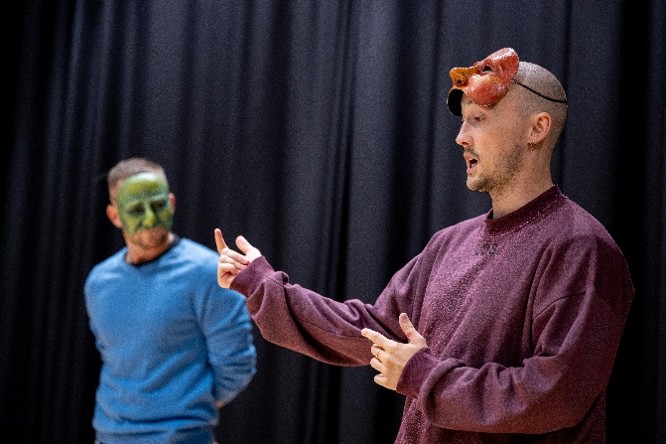
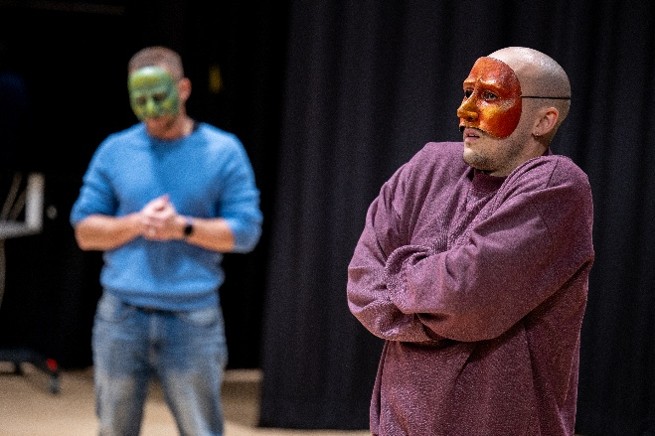
*Images from our RJ event in 2025 – https://youtu.be/EF3Q6Cu1-Ms?si=to2dTnPvq-UUbmQI
Looking Ahead
Restorative justice is not simply another service, as seen in many countries since the 90’s. It offers a transformative approach to conflict resolution and it represents a different way of thinking about harm, accountability, and recovery.
The Highland Restorative Justice pilot offers an opportunity to bring together victims, those responsible for harm, professionals, and communities in a shared effort to repair relationships and rebuild trust. Through compassion, accountability, and meaningful dialogue, restorative justice can help create stronger and more resilient communities across Highland.
Gabrielle Buist, RJ Development Group Lead says “We are delighted to be able to start offering RJ in Highland from next month. As the pilot develops, it has the potential not only to support individuals affected by crime but also to demonstrate how communities can move beyond harm and towards healing, understanding, and renewal.”
For more information click here: Restorative Justice | Highland Third Sector Interface (HTSI)
The post Rebuilding Communities Through Restorative Justice: A New Vision for Highland appeared first on Children and Young People’s Centre for Justice.
Source: Raising Youth Justice – Children and Young People’s Centre for Justice Read More